The Quiet Compound

Builders give themselves away in low-stakes moments. The way they handle a small correction. The conversations they avoid. The work they do when no one is tracking it.
That has been my read for a long time, and the longer I run companies the more I trust it.
Most people building something believe the math is grit times time. Show up long enough and it pays off. That math is wrong. It is grit times direction times willingness to adjust. Persistence in the wrong direction does not compound. It costs you years.
The people who actually build do three things at once. They keep moving. They keep listening. They keep updating the plan based on what the work is telling them. Drop any one of the three and what looks like progress is just motion.
Here is the harder truth inside that. The skills that build something are mostly trainable. Sales, communication, organization, systems, and most of strategy can be learned by anyone with patience and feedback. The piece that is rarely cultivated, and the hardest to fix once it has set, is the willingness to take a hit, adjust, and keep going without making it personal.
Call it ego. Call it posture. It is the divider.
Ego is one of the most expensive habits in business because it does not look expensive. It does not show up on a P&L. It shows up in rooms a person is no longer invited to, deals that quietly went somewhere else, and team members who stopped bringing them the real picture. By the time the cost is visible, the compound has already gone the other way.
Real partnerships do not happen through closed doors. They happen when both sides put something real on the table and stay open as the work reveals what it actually requires. Anywhere there is two-sided value, the closed posture kills it first.
Short-term grabs are not the enemy. Some short-term wins compound. The enemy is short-term grabs that crowd out the long bets. A win you take now that costs you a relationship, a reputation, or a strategic position is not a win. It is a debt with a long repayment schedule.
If you are building something and the work feels slow, run two checks before you trust the slowness. First, are the right inputs going in. Second, are the feedback loops telling you the work is bending in the right direction. If both are yes, the slowness is the compound forming. If either is no, the slowness is a problem, not a phase.
When the inputs and direction line up, the compound shows up exactly the way you would expect it to. Quietly. Then all at once. In the form of people who trust you, contracts that renew without negotiation, and opportunities that arrive unsolicited because someone said your name in a room you were not in.
That is the part worth waiting for. And the part most people quit on right before it lands.
Keep moving. Keep listening. Keep updating the plan.
That is the actual math.
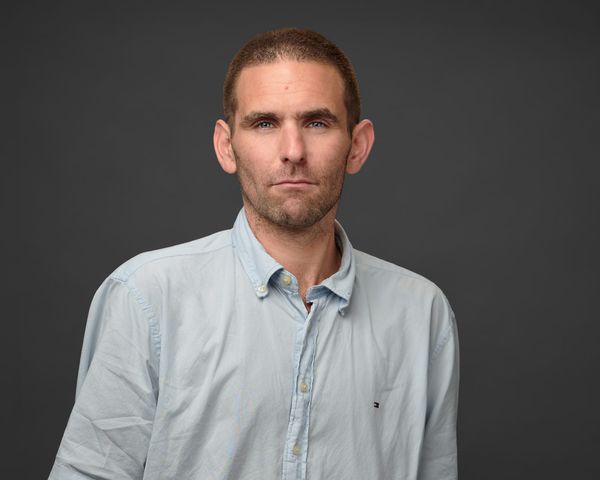
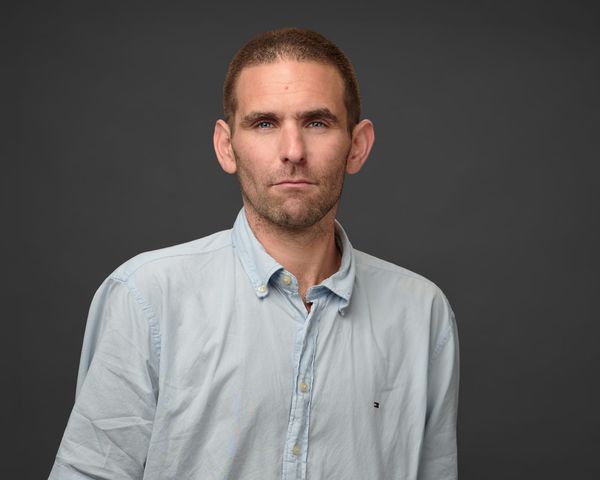
Andrew Motyka, President
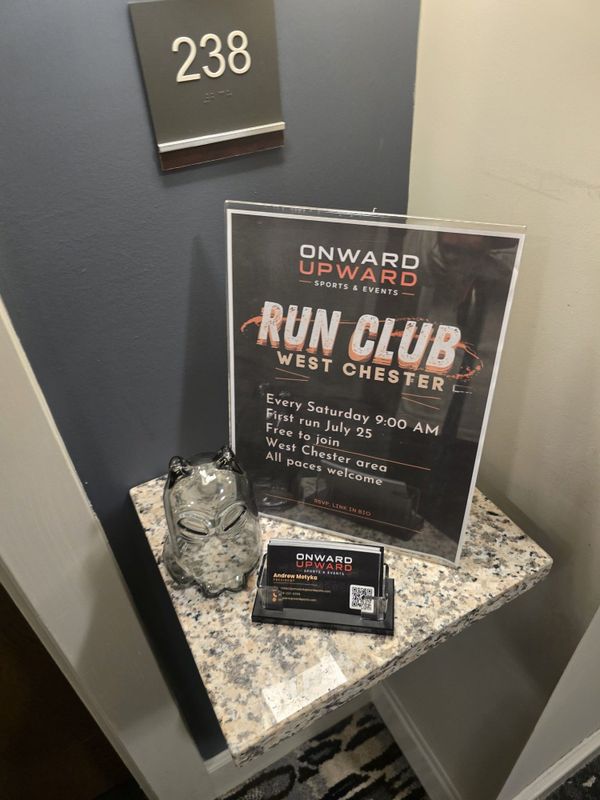
Onward Upward Sports